Since 2012, we have been building technology around real-world problems. What began with individual projects in independent media and community connectivity gradually evolved into a broader body of work spanning data, cloud platforms, application development, automation, and cybersecurity. Although the projects have taken very different forms, the underlying approach has remained remarkably consistent: understand the problem, make the different pieces work together, and turn complexity into something practical, reliable, and useful. This portfolio follows that journey.










'12
'14
Between 2012 and 2014, Mutha FM in Cape Town was our client for the development of a complete online broadcasting environment. We built the infrastructure needed to bring the station's live audio and video broadcasts to a global audience, redesigned and hosted its website, and provided remote support for the studio infrastructure from Amsterdam. The project brought together online broadcasting, web development, hosting, and remote infrastructure management, enabling Mutha FM to extend its programming beyond its local FM broadcast area and reach listeners around the world, around the clock.
'14
'17
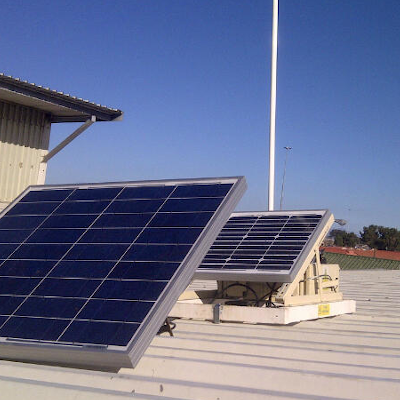
Between 2014 and 2017, we responded to a programme by The Safety Lab, an innovation initiative of the Western Cape Government, exploring practical ways to bring internet access to communities with limited connectivity. We conceived, designed and built our own Free Internet Zone (FIZ), a self-contained Wi-Fi system combining a battery, cellular modem and router, and were the only team to deploy the solution at the Zolani Centre in Nyanga, Cape Town. Although we ultimately did not receive the grant, the deployment allowed us to take the concept beyond a proposal and demonstrate a working solution in a real community setting, designed around limited infrastructure, demanding outdoor conditions, simple maintenance and the potential to replicate the approach in other locations.
'17
'21
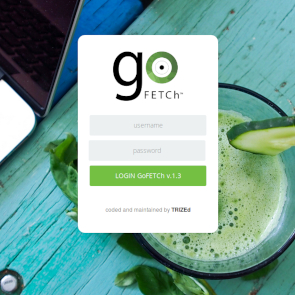
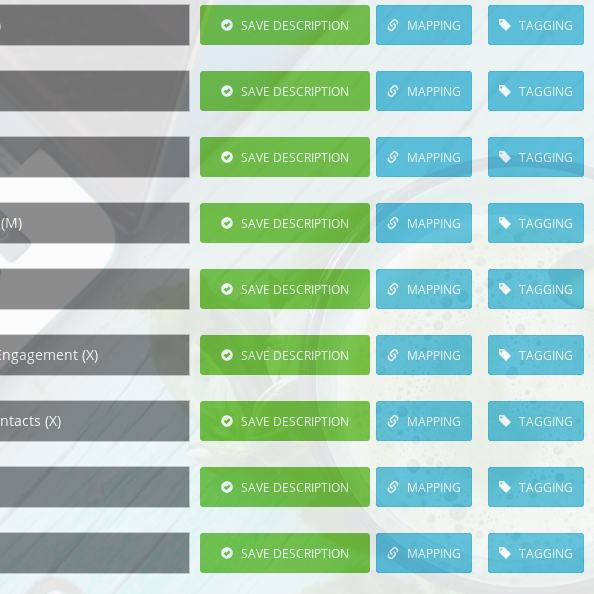
Between 2017 and 2021, we developed GoFetch from an early SaaS concept into a platform designed to help businesses make better use of the information they already had. Businesses often had valuable customer information spread across different systems, making it difficult to see the bigger picture. GoFetch brought those sources together and turned them into a more coherent view of the customer, enabling more relevant and automated communication. The platform grew significantly over time and was adopted across South Africa's hospitality and retail sectors, supporting organisations including Londolozi, Flight Centre, and Block & Chisel. As the initiative matured, it grew beyond the original GoFetch platform and became a standalone South African company, Fetch Enterprises.
'21
'26
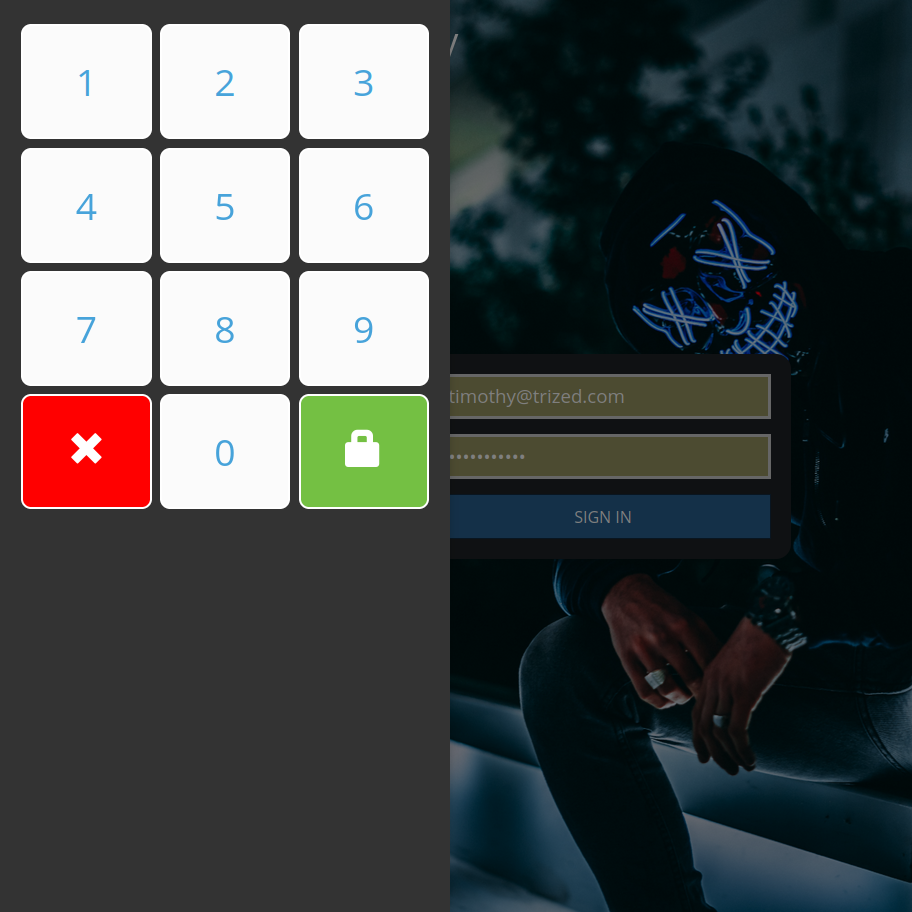
Following the development of GoFetch, we began looking at the underlying problem from a much broader perspective. Rather than focusing on one particular industry or use case, we wanted to create a more flexible foundation for organisations working with data. This became Data Processing Services (DPS), an evolution of the ideas behind GoFetch into a broader data processing ecosystem. The platform was designed to bring fragmented information together, make it easier to work with, and turn it into something that organisations could actually use to understand their operations and customers. It marked an important transition in our work from building individual solutions towards creating reusable technology platforms.
'21
'26
From 2021, we developed Distributed Cloud Security (DCS) around a simple idea: modern infrastructure is constantly exposed to the internet, and waiting for a security incident to happen before responding is no longer enough. DCS was designed to continuously watch for suspicious activity, assess what was happening, and respond automatically when something appeared to be a threat. Instead of relying entirely on people to notice a problem and react to it, the platform brought detection and response closer together, creating a security layer that could adapt as conditions changed across connected infrastructure.
'22
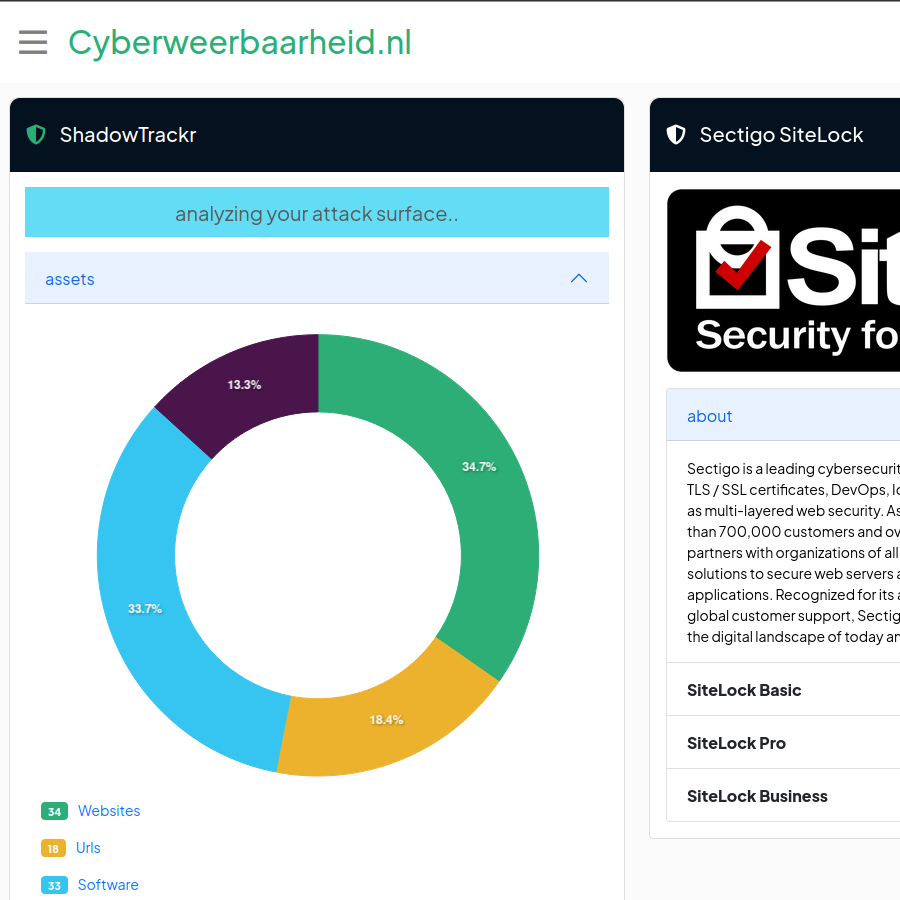
In 2022, we explored a different challenge in cybersecurity: as organisations adopt more security services, managing all of them can become almost as difficult as dealing with the threats themselves. The Cyberweerbaarheid platform was developed as a proof of concept, built for one of our clients to bring different security services together into a single, unified view. Instead of requiring organisations to move between separate systems, the platform brought important security information into one place, making it easier to understand what was happening and providing a clearer picture of the organisation's overall security position.

'25
In 2025, we turned our attention to artificial intelligence and began exploring whether AI could be developed around human values, collective reasoning, and greater transparency. The research ultimately led us to a difficult conclusion. We were not comfortable building systems whose internal processes and outcomes we could not adequately understand or control. Issues such as unpredictable behaviour and hallucinations reinforced the concern that there was still a fundamental gap between what these systems could produce and what we could confidently trust. Rather than continue developing AI simply because the technology was advancing, we chose to step back and question what would need to change before we were prepared to trust it.